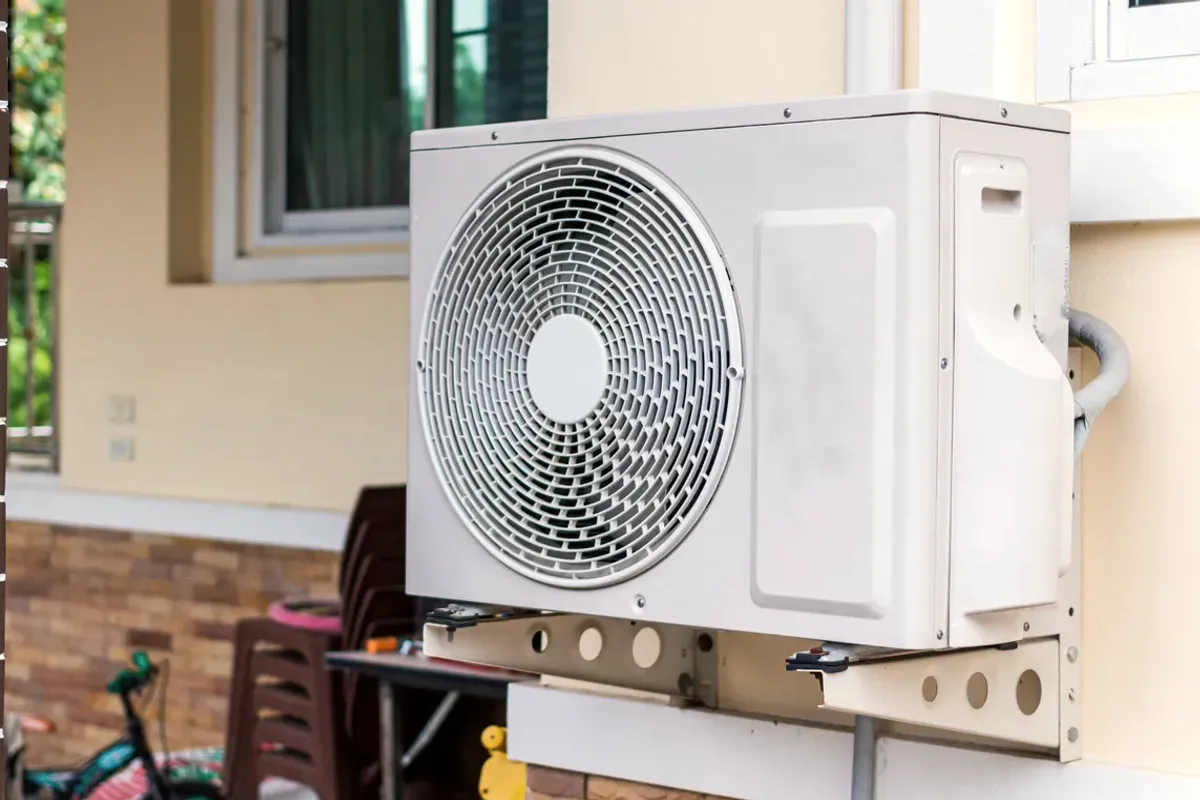
Request heat pump repair & installation for a property in Woodstock. Include the equipment, the problem or planned work, and your location so the request can be reviewed.
When should a heat pump fault be repaired, and what should be assessed before installing a replacement?
Heat pump service may mean repairing an existing unit or planning a new ducted or ductless system, and those are different scopes. Weak heating or cooling, icing, repeated defrost trouble, a sensor fault, and unusual noise each call for diagnosis rather than an assumed replacement. For installation, the building’s heat load, distribution system, and equipment capability matter. The model, fault history, and whether existing ducts can support the proposed system help shape the assessment.
Assessment should identify the heat pump type, its operating symptoms, service history, and whether the request concerns repair or installation. For repair, testing of sensors, defrost controls, airflow, and the refrigerant circuit helps locate the fault. For installation, load calculations and a review of ductwork or proposed ductless zones inform capacity and equipment choice. Findings allow the repair and replacement options to be considered distinctly.
Heat pump repair for icing, sensor, and defrost faults
Ducted and ductless installation sizing
Model-specific maintenance and repair-versus-replacement assessment
Assessment and Scope
Questions for the Proposed Work
01
Diagnose icing, sensors, and defrost operation
Icing or weak output can involve outdoor-coil conditions, sensors, defrost controls, airflow, or the refrigerant circuit. A defrost cycle that starts or ends incorrectly is not the same fault as a failed sensor, even if both affect heating. The model and observed operating sequence guide testing. These findings help determine whether a specific repair addresses the problem or whether a broader equipment condition should be assessed.
02
Plan installation around load and distribution
A replacement heat pump should be matched to the building’s heating and cooling loads and the way air will reach occupied spaces. With ducted equipment, the existing ductwork and system configuration need review; a ductless design instead requires planned zones and indoor-unit positions. Cold-climate capability may be relevant where winter heating is intended. These details affect equipment selection and the installation scope, not just the nominal unit size.
03
Keep maintenance findings specific to the model
Maintenance checks should follow manufacturer instructions and inspection findings. Where the equipment design calls for it, a review may include the outdoor coil, sensors, controls, and defrost operation. These observations can identify a developing fault but do not establish that every heat pump needs the same adjustment or cleaning. A service record is useful when diagnosing repeat icing or performance complaints and when comparing repair with replacement.
Compare the next step
Have the room imbalance documented before selecting a replacement heat pump. Ask how the proposed distribution, zones, and controls address that pattern and what existing deficiencies remain outside the scope. Calculated equipment capacity should be connected to a practical heat-delivery plan for the affected spaces.
Cold-climate capability does not prove that one model covers every home heating load. Ask how the selected equipment and supplementary heat meet the actual design requirements.