Request furnace repair for a property in Woodstock. Include the equipment, the problem or planned work, and your location so the request can be reviewed.
What should be checked when a gas, propane, or oil furnace will not start or heat evenly?
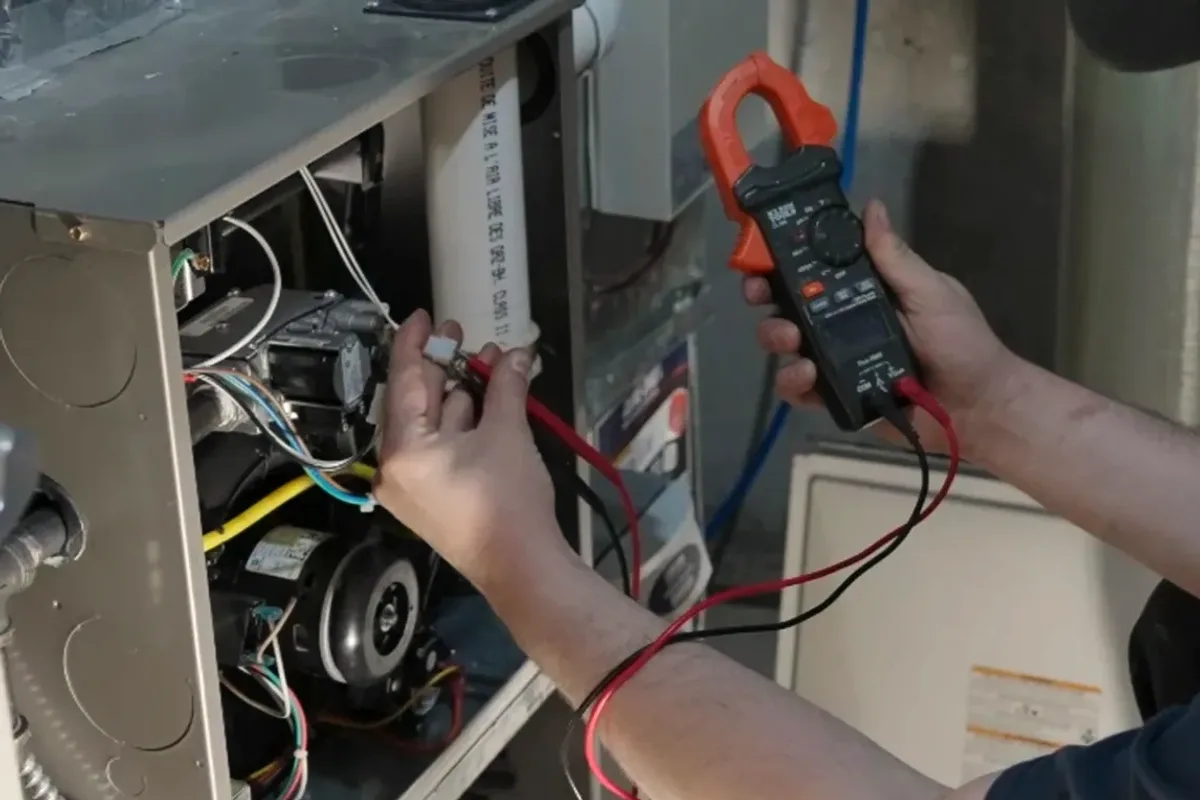
A furnace repair request can involve a no-start, weak or uneven heat, unusual sound, or a shutdown, and the symptoms alone may not identify the failed part. Diagnosis differs by fuel and equipment: ignition and burner faults on gas or propane units are not the same as oil-burner problems, while airflow or control issues can affect several furnace types. Records of error codes, when the problem occurs, and recent service can help distinguish a repair from a broader equipment concern.
An assessment should connect the reported symptoms with the furnace’s fuel, model, operating sequence, and service history. A burner or ignition fault calls for different tests than a blower, thermostat, limit control, or venting concern. The findings also help establish whether the issue is isolated or whether repeated faults and the condition of major components make replacement worth comparing.
Gas, propane, and oil furnace repair
Ignition, burner, airflow, control, and venting diagnosis
Maintenance findings and repair-versus-replacement decisions
Assessment and Scope
Questions for the Proposed Work
01
Trace the fault before choosing a repair
A no-start or shutdown may relate to ignition, burner operation, a control signal, airflow, or venting. A booming sound, scraping blower, or rattling duct also needs its source identified rather than treated as one generic furnace fault. The furnace model and any displayed fault code can guide diagnosis, while the observed sequence helps separate a component repair from a condition affecting safe operation.
02
Distinguish fuel and airflow concerns
Gas and propane furnaces use different fuel supplies from oil-fired equipment, so the burner and ignition checks depend on the actual appliance. Weak airflow or uneven rooms may instead point toward a filter restriction, blower problem, duct issue, or control setting. Inspection findings help determine whether the repair belongs at the furnace or in the air-distribution path, without assuming that every comfort complaint requires the same work.
03
Compare repair with replacement when warranted
Repair and replacement are separate decisions, not a fixed age rule. The fault, condition of the heat exchanger and other major parts, history of repeat repairs, and compatibility of replacement equipment all affect the comparison. A limited control repair on an otherwise sound furnace may differ substantially from a major failure. An inspection can document those differences so the options are based on the equipment’s condition.
Compare the next step
Record the difference between comfortable and cold rooms during the same heating period. Ask whether the assessment points to appliance output, air distribution, controls, or room heat loss. Compare targeted corrections with replacement using the same room-level observations rather than assume nominal furnace size determines every temperature difference.
Leave burner, fuel, venting, electrical, and internal equipment work to a qualified contractor. Do not bypass a safety switch or repeatedly reset a furnace.