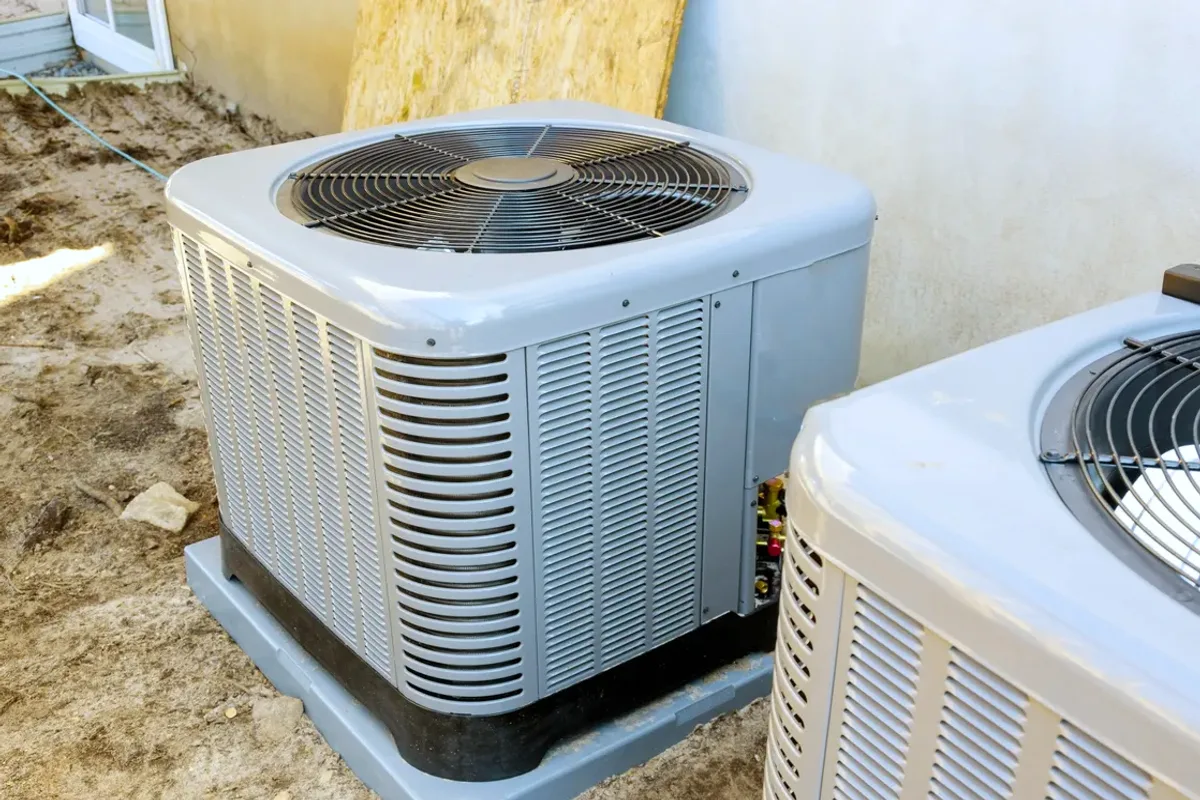
How can you tell whether an air conditioner’s cooling problem is electrical, airflow-related, or refrigerant-related?
An air conditioner that blows warm air, stops, makes a grinding sound, or leaves water near an indoor coil needs diagnosis based on its equipment and symptoms. Central systems and ductless units have different air paths and controls, while a failed capacitor, contactor, or fan motor is a different repair scope from a refrigerant leak or compressor fault. The unit’s model, operating history, and any error display help identify what testing is relevant before repair or replacement is considered.
Assessment should identify whether the system is central or ductless and establish what happens during a cooling call. Inspection and electrical testing can distinguish a failed component from restricted airflow, a coil or drain concern, or a refrigerant-circuit fault. That distinction matters because the repair scope and the comparison with replacement differ, particularly when a major sealed-system component is involved.
Central air and ductless AC faults
Electrical components, airflow, coils, and refrigerant concerns
Repair and replacement assessment
Assessment and Scope
Questions for the Proposed Work
01
Separate electrical faults from cooling-circuit faults
A capacitor, contactor, or fan motor fault may prevent a component from starting or moving air. Warm airflow can also involve a refrigerant leak, compressor problem, or another cooling-circuit issue, which needs appropriate testing before a repair is proposed. The equipment model and measured findings matter because symptoms overlap, but the parts, repair steps, and implications for future service do not.
02
Check airflow, coils, and water symptoms
Weak cooling or water near an indoor coil can involve airflow, coil condition, or condensate drainage rather than a single electrical part. Central air systems move air through ducts, while ductless systems deliver it at indoor heads, so inspection follows different paths. A grinding sound also calls for locating its source. Findings help distinguish a focused repair from a restriction or damage that affects the wider system.
03
Use findings to compare repair and replacement
A repair decision should account for the confirmed fault, the condition of the compressor and other major components, prior repairs, and the system’s age and compatibility. A replaceable electrical component presents a different choice from a compressor failure or recurring refrigerant leak. Replacement is not automatic after one breakdown; a documented comparison can clarify whether the requested repair addresses the problem or whether broader work is being considered.
Compare the next step
Ask for the room-temperature pattern to be considered alongside cooling operation and distribution. Explain doors, sunlight, occupancy, and the timing of the complaint. A proposal should identify whether it corrects equipment performance or how cooling reaches the rooms, then describe how the improvement will be checked.
Do not open electrical panels or handle refrigerant. If ice, water near electrical equipment, or abnormal operation is present, stop using the affected system and request an assessment.